


About our Psychometrics
The internet is full of career quizzes. What makes the Morrisby Profile different? It's built on robust psychometric science, but designed so that anyone can understand and act on their results.
A trustworthy assessment needs to be reliable (free from random error), valid (measuring what it claims to), and standardised (consistent enough that results can be meaningfully compared). Here's how the Morrisby Profile holds up against all three.


Reliability
Reliability is measured using a statistic called Cronbach's Alpha (or coefficient alpha). It works by correlating every question against every other question in the assessment - if they all consistently hang together, the test is reliable. The ideal range falls between 0.7 and 0.9: scores below that suggest too much random error, and scores above it canindicate the test is simply repetitive.
Every Morrisby assessment sits comfortably within this sweet spot.
Validity
Independent bodies including the UK CDI, The Matrix Organisation, and the Victorian Department of Education and Training in Australia have all reviewed and endorsed the Profile as a careers guidance tool.
We also monitor results continuously, and have been for the past 50+ years, reviewing individual profiles and career suggestions everyday to make sure the outputs remain accurate, meaningful, and useful in practice.


Standardisation
A score only means something if everyone took the same test in the same way. Every Morrisby aptitude assessment is timed, with every individual working through the same number of questions under the same conditions. This consistency is what makes results comparable - and what allows us to place an individual's score meaningfully against a wider population. Without it, results would vary as much by testing environment as by actual ability.
Who are the results compared against?
Norming establishes the frame of reference for each individual's scores, by testing a representative sample of the target population to understand how results are typically distributed.
Our most recent exercise drew on around 38,000 school pupils across Victoria, Australia - extraordinary by any measure, given that psychometrics typically requires a minimum of 100 candidates. The Victorian Department of Education mandated Morrisby forevery eligible student in the state, and we used that General Population Norm alongside 20,000 UK individuals to build accurate age-related centiles for each assessment.
Are the results fair for every individual?
Yes. The Morrisby aptitude assessments assume no prior knowledge and are not influenced by an individual's background, schooling, or gender. They're designed to uncover underlying potential - not what someone has already been taught. Because the assessments don't rely on prior attainment, they can't be learned or revised for. Every individual starts on an equal footing.
What does the
Morrisby Profile actually assess?
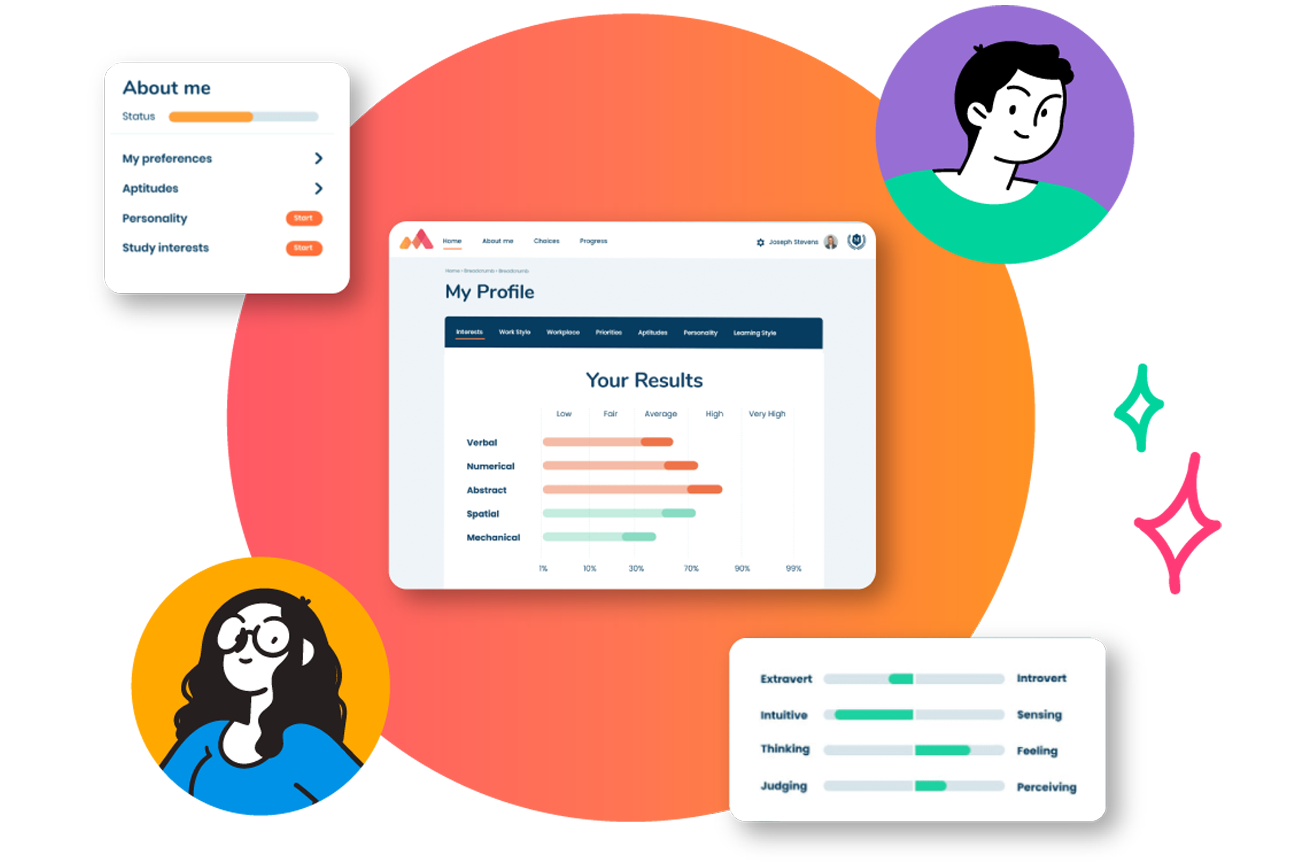
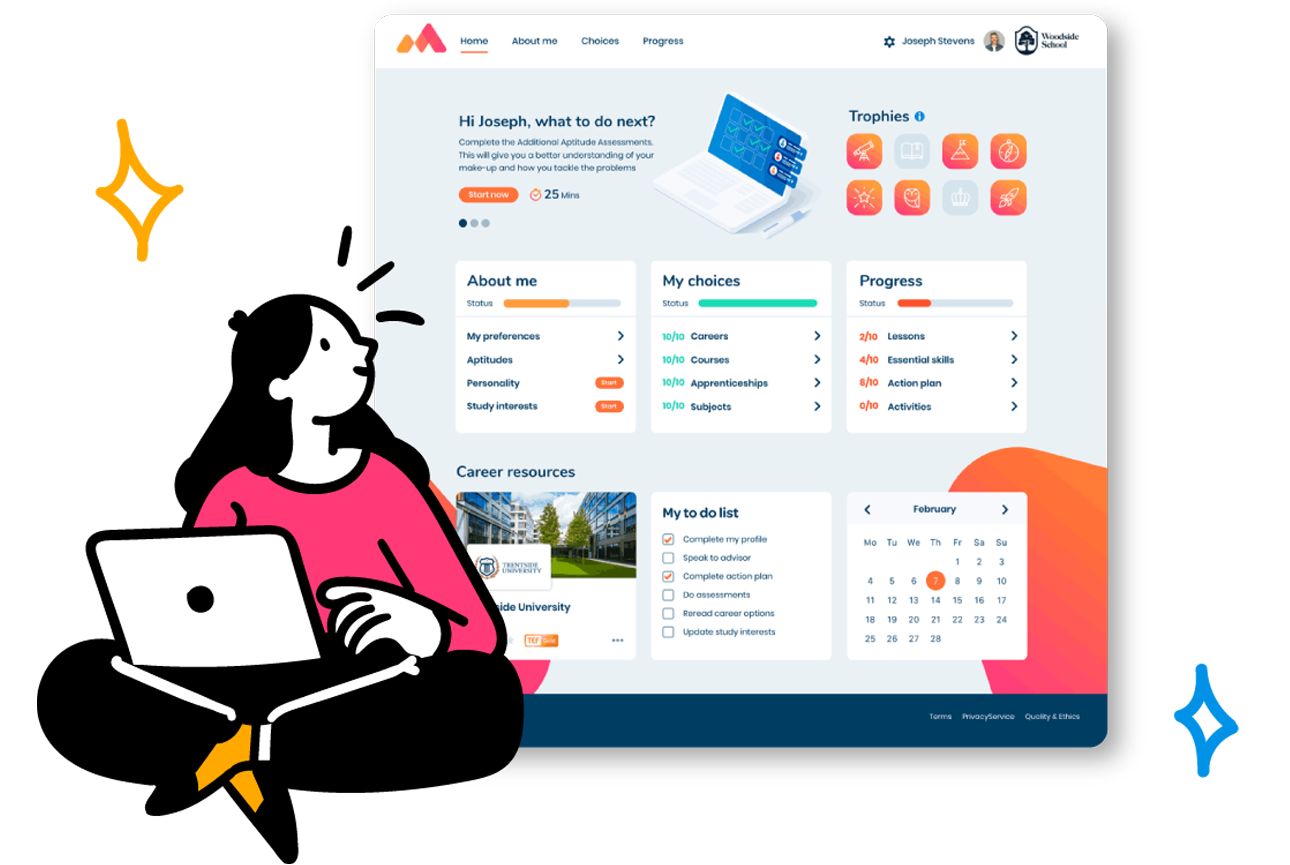
The Profile has two parts: aptitude assessments, which measure underlying strengths and potential, and attitudinal questionnaires, which explore interests, values, and personality. The five aptitude areas are
Verbal
Numerical
Abstract
Spatial
Mechanical
life experience or prior exposure to technology
The attitudinal questionnaires cover -
- Aspirations - interests across 10 key areas, drawing on Holland's RIASEC model and Anne Roe's circular model
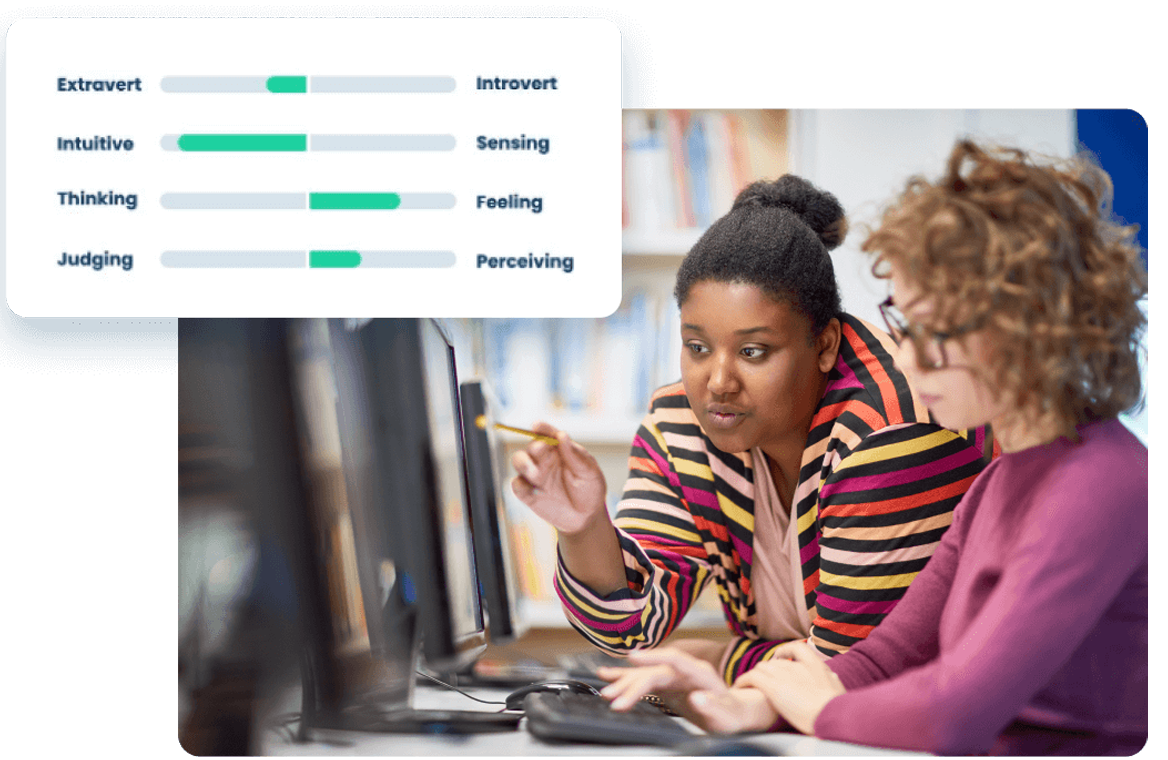
- Personality - based on the work of Myers and Briggs, producing 81 distinct personal types
- Priorities - what matters most to an individual in a working environment
- Study interests - for those considering university, mapping academic interests to potential subject areas
Together, the assessments also surface learning style preferences, workplace preferences, and work style insights.
Should I retake the assessments?
Aptitude scores are stable from around the age of 15 and don't need retesting unless something went wrong in the original session. The attitudinal questionnaires are a different matter - interests, values, and personality naturally evolve over time, so these are worth revisiting at regular intervals to keep the results current and relevant.
